Understand
Loads, geometry, interfaces and boundary conditions first.
Senior Structural Engineer · Offshore & Marine
I work on complex offshore and mechanical structures, turning loads, models and standards into clear, defensible engineering decisions. My background combines structural mechanics, practical offshore experience and a growing focus on smarter engineering workflows.
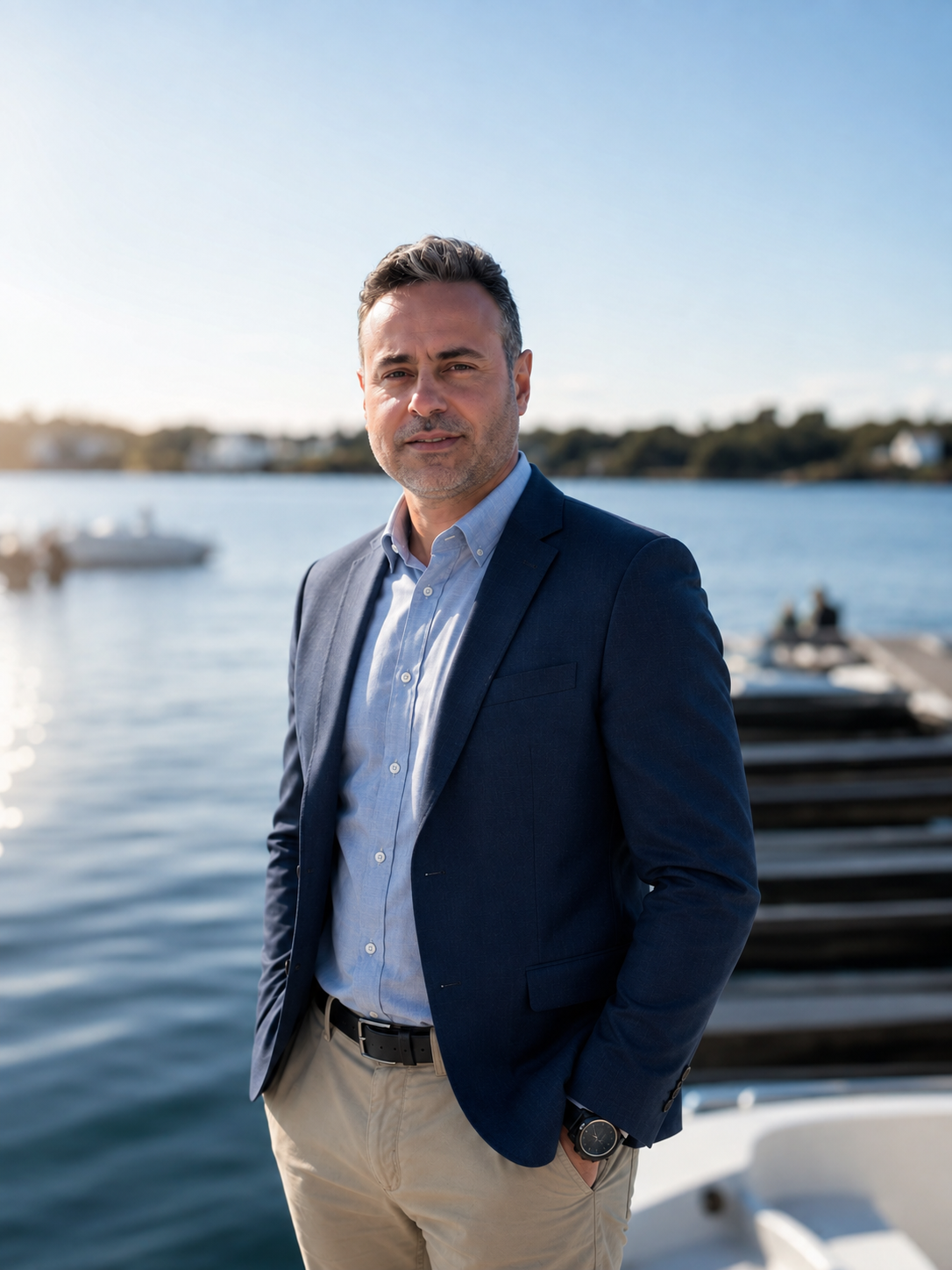
Structural analysis and verification of complex offshore lifting systems, where load paths, structural behaviour and operational requirements must work together.
Engineering for dynamic loading, fatigue, environmental effects and structural integrity under demanding offshore operating conditions.
Engineering at the interface between vessel structures, machinery, lifting systems and marine operations.
Structural assessment of winches, drums, wire-rope systems and load-carrying mechanical components.
Strength, stability and fatigue verification of safety-critical structural systems.
Exploring practical ways to combine engineering judgement with automation, data and emerging AI-assisted tools to improve engineering workflows.
HOW I THINK
Over the last 14+ years, I have worked where structural behaviour, machinery and offshore operations meet. The job is rarely just running a model. It is deciding what matters, checking assumptions and explaining why the result can be trusted.
My approach is simple: understand the load path, model the right problem, challenge the result and document the decision.
Loads, geometry, interfaces and boundary conditions first.
Challenge strength, stability, fatigue and modelling sensitivity.
Make the calculation traceable and the decision easy to review.
EXPERIENCE
CURRENT
NOV · NORWAY
Offshore cranes, winches and lifting structures where machinery and steel interact under dynamic loading.
FEA and calculation work used to understand load paths, local behaviour, strength, stability and fatigue.
Turning DNV, EN, Eurocode and ABS requirements into traceable checks, calculations and engineering decisions.
ENGINEERING TOOLKIT
Software solves the model. Engineering is deciding what the model should represent, how it should be checked and whether the result makes physical sense.
Structural response and finite element analysis.
Global frame and structural analysis.
Transparent, reviewable engineering calculations.
Geometry, interfaces and mechanical context.
Checks, data handling and calculation tools.
Developing automation for repeatable engineering tasks.
DIGITAL ENGINEERING
I am developing practical automation and AI-assisted workflows around engineering work, mainly where they can reduce repetitive effort, organise information and make checks more systematic. The engineering decision still stays with the engineer.
Loads, geometry and requirements
Model, calculate and interpret
Search, scripts and data checks
Verify, document and decide
SELECTED PROJECTS
A selection of engineering themes that show the kind of problems I work on, without disclosing client or project-sensitive information.

Representative structural analysis of offshore crane systems across relevant operational and environmental load cases.
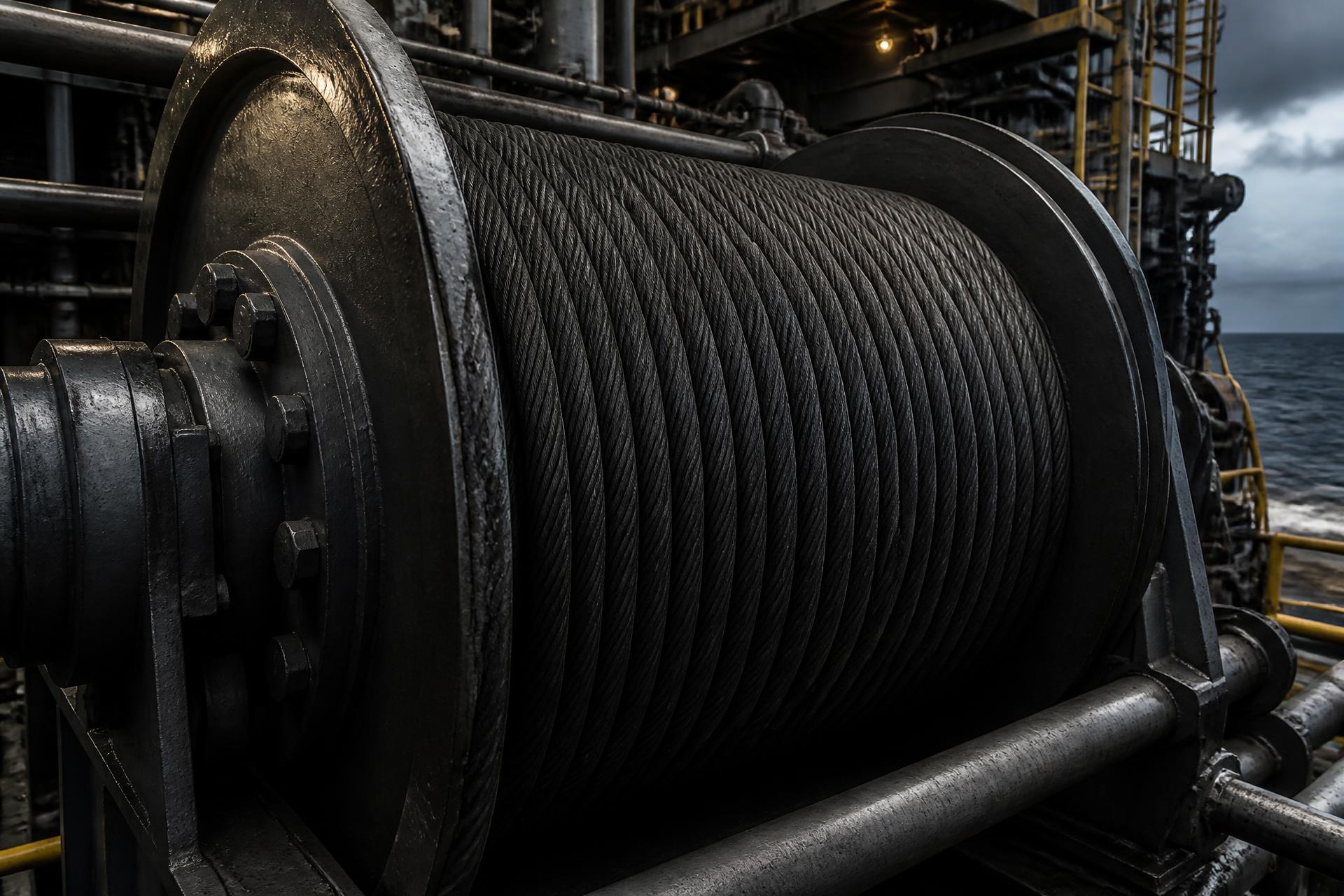
Representative structural assessment of winch drums, support frames and load-carrying components for offshore service.
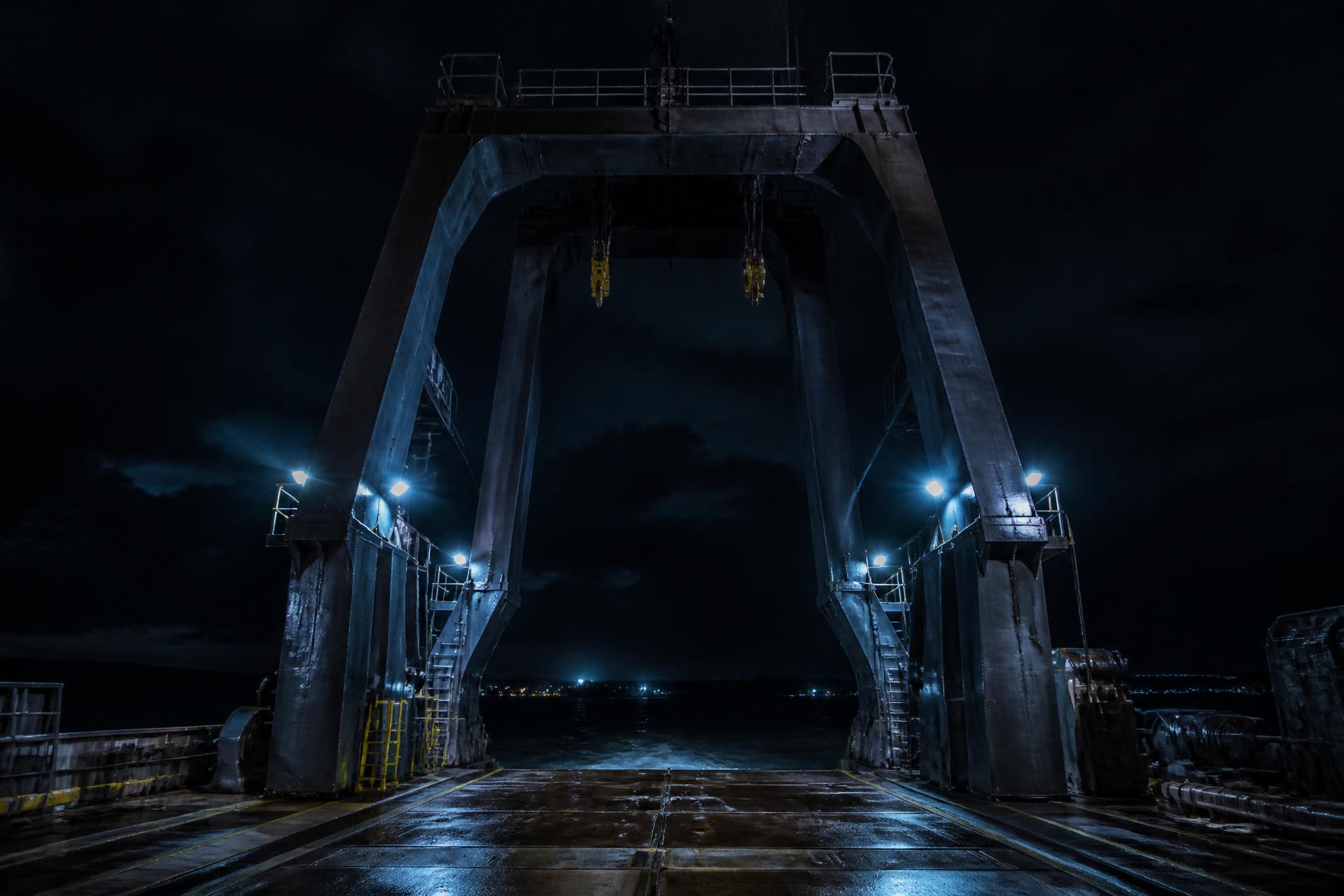
Representative verification of A-frame lifting structures including strength, stability and fatigue considerations.

DIGITAL WORKFLOW
Exploring practical ways to reduce repetitive engineering work while keeping calculations transparent, traceable and easy to review.
ENGINEERING INSIGHTS
Long-form notes on how engineering decisions are made, checked and improved, including practical use of emerging digital tools.
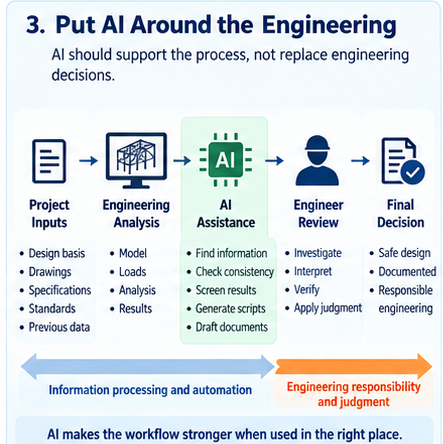
STRUCTURAL & DIGITAL ENGINEERING
A practical look at where AI can support document review, FEA screening, standards navigation and engineering automation without replacing technical judgement.
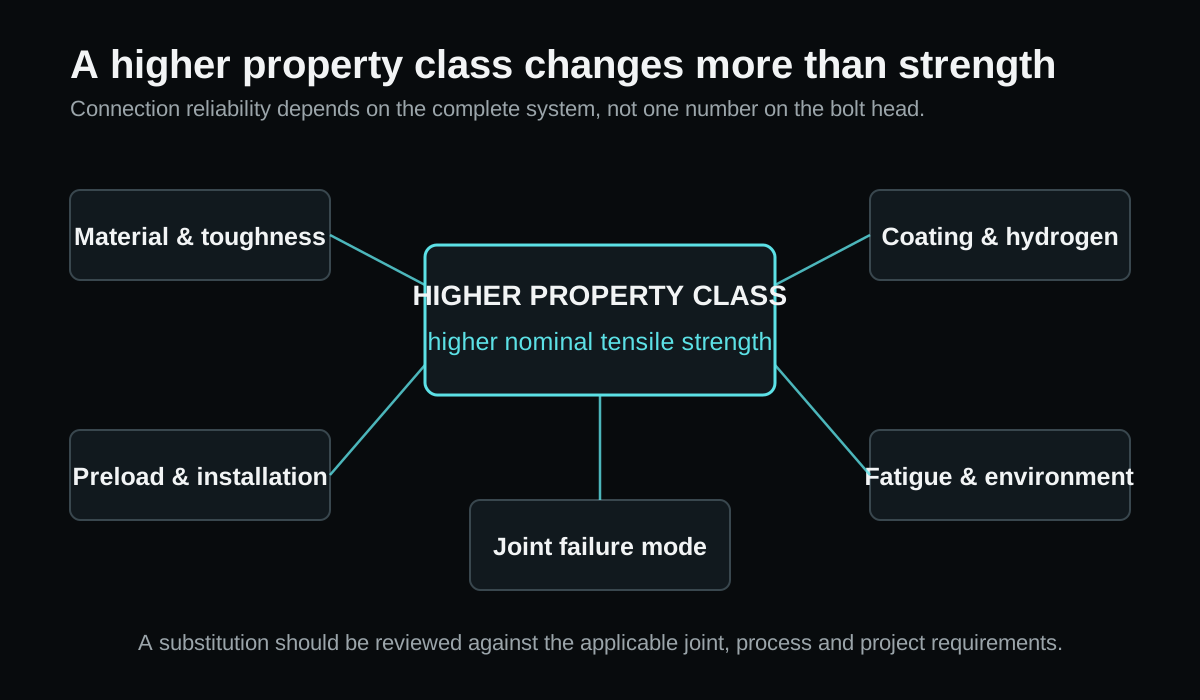
STRUCTURAL ENGINEERING · MATERIALS
A practical offshore engineering reminder about bolt property class, hydrogen embrittlement and why 12.9 is not automatically the smartest choice.